

Building your credit from scratch is necessary for achieving financial stability and accessing better loan rates. Understanding the credit system can empower you to make informed choices that strengthen your financial profile. This guide will outline the steps you need to take to establish and improve your credit score, allowing you to take control of your financial future. With the right approach and tools, you can successfully navigate the path to a solid credit history.
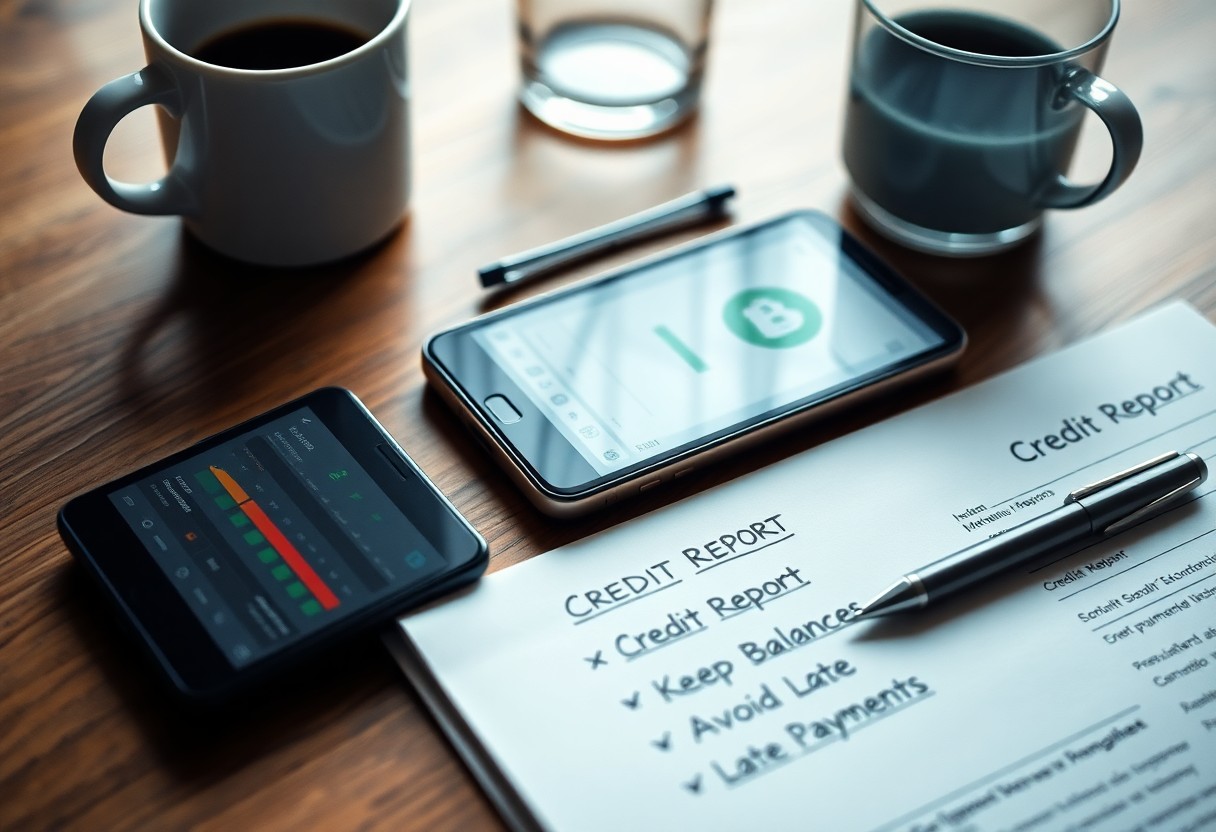
Key Takeaways:
- Open a secured credit card to establish a credit history.
- Make timely payments and keep credit utilization low.
- Monitor your credit report regularly to track progress and identify errors.
Understanding Credit
What is Credit?
Credit refers to the ability to borrow money or access goods and services with the promise to pay later. This typically involves a lender assessing your financial history to determine the risk of lending to you. Your creditworthiness hinges on various factors, including your income, outstanding debts, and repayment history, allowing lenders to make informed decisions about your borrowing potential.
The Importance of Credit Score
Your credit score is a numerical representation of your creditworthiness, ranging from 300 to 850. A higher score indicates greater reliability to lenders, impacting your ability to secure loans and rent housing. Generally, scores above 700 are considered good, while those below 580 can result in difficulty obtaining credit. Establishing a strong credit score can lead to better interest rates and more favorable loan terms, which ultimately saves you money.
A good credit score can lower the cost of borrowing significantly. For instance, borrowers with a 720 score may secure a mortgage rate around 3.5%, while those with a 620 score could see rates jump to 4.5%. Over the life of a $250,000 loan, this can mean tens of thousands of dollars in additional interest. Understanding how to improve and maintain your credit score is important for maximizing your financial options moving forward.
Assessing Your Financial Situation
Understanding your current financial situation forms the foundation of credit building. Start by evaluating your income, expenses, and existing debts. This insight will help you identify how much you can allocate toward debt repayment and savings, both necessary for establishing credit. A comprehensive assessment allows you to create a balanced budget that accommodates necessary expenses while making consistent payments on any credit accounts you open.
Reviewing Your Finances
Begin by tracking your monthly income and expenses. Use budgeting tools or apps to categorize your spending, ensuring you account for fixed costs like rent and variable costs like groceries. Identify areas where you can reduce unnecessary spending, directing those savings toward credit-related expenses. This clear overview empowers you to manage your finances effectively and prepares you for responsible credit usage.
Setting Clear Financial Goals
Defining specific financial goals can guide your credit-building journey. These might include establishing a certain credit score, saving for a car loan, or being approved for a credit card. Set SMART goals—specific, measurable, achievable, relevant, and time-bound. For instance, aim to improve your credit score by 50 points in six months by consistently paying down existing debt and limiting new credit inquiries.
Effective goal-setting provides motivation and clarity. For example, if you intend to apply for a mortgage in the next two years, articulate what credit score you need and outline the steps to achieve it, such as reducing credit utilization to below 30% and ensuring all payments are made on time. This systematic approach allows you to track progress and adjust strategies as needed, fostering a disciplined path to building credit.
Establishing Credit
To effectively establish credit, you need to take strategic steps that demonstrate responsible credit behavior. This process often begins with applying for credit products designed for beginners, such as secured credit cards or becoming an authorized user on someone else’s account. By utilizing these options, you can lay the groundwork for a solid credit history that lenders will recognize over time.
Opening a Secured Credit Card
Opening a secured credit card is a practical way to start building your credit. With this type of card, you provide a cash deposit that serves as your credit limit, minimizing risk for the lender. Use the card for small purchases, ensuring you pay your bill in full each month. This approach helps you establish a payment history, which is key to developing a positive credit score.
Becoming an Authorized User
Becoming an authorized user on a family member or friend’s established credit card can quickly enhance your credit profile. When you are added, you importantly benefit from their positive credit history. It’s important that the primary cardholder maintains good credit habits, as their actions directly impact your credit. Aim for someone who pays bills on time and keeps their credit utilization low to maximize the benefit.
In many cases, lenders report authorized users’ activity to the credit bureaus, allowing you to build credit without needing your own account initially. This method is particularly advantageous for those with limited or no credit history. It’s important, however, to communicate clearly with the primary cardholder about usage and expectations to ensure both parties maintain healthy credit practices. For example, monthly payments and careful spending can lead to a noticeable increase in your credit score over time, enhancing your future borrowing options.
Responsible Credit Usage
Understanding responsible credit usage is key to building a strong credit history. By managing your accounts wisely, you can create a positive impact on your credit score and set yourself up for future financial opportunities. This means making informed decisions about how much credit to use and ensuring that you pay off debts in a timely manner.
Making Timely Payments
Always pay your credit card bills on or before the due date. Late payments can severely damage your credit score and stay on your report for up to seven years. Setting up reminders or automatic payments can help you stay on track and illustrate your reliability as a borrower.
Keeping Balances Low
Maintaining low balances on your credit cards is crucial for keeping your credit utilization ratio healthy. Aim to use no more than 30% of your available credit at any time. For example, if your credit limit is $1,000, try to keep your balance below $300. This not only positively affects your credit score but also shows lenders that you can manage credit responsibly.
Keeping your balances low is effective not just for your score but also for your overall financial health. It minimizes the risk of accumulating unmanageable debt and allows you to pay off your balance more easily each month. By approaching credit with discipline, you cultivate a reputation as a responsible borrower, which can lead to better credit offers in the future.

Monitoring Your Credit
Monitoring your credit is necessary for maintaining a healthy credit score. Regularly checking your credit reports allows you to track your progress and catch any inaccuracies or fraudulent activities early. For guidance on how to start building credit when starting from scratch, check out How to Start Building Credit When Starting From Scratch.
Checking Your Credit Reports
You should review your credit reports at least once a year from the three major bureaus: Experian, TransUnion, and Equifax. Federal law entitles you to one free report from each bureau annually. By examining these reports, you can identify any errors or unfamiliar accounts that could impact your credit score.
Understanding Credit Inquiries
When lenders review your credit, they may perform either a hard or soft inquiry. A hard inquiry occurs when you apply for credit, potentially lowering your score slightly for a short time. Conversely, soft inquiries do not affect your credit and typically happen during background checks or pre-approved offers.
Hard inquiries usually remain on your credit report for two years but impact your score primarily in the initial months. Limiting hard inquiries is wise, as too many within a short period can signal risk to potential lenders. Meanwhile, soft inquiries provide an opportunity for you to monitor your score without repercussions. Understanding the difference helps you manage your credit behavior effectively.
Building Credit Over Time
To enhance your credit profile, focus on building credit over time through consistent, responsible practices. Establish a payment history by meeting deadlines for all your financial obligations. This longitudinal approach offers a clear picture to lenders about your reliability, gradually improving your credit score. Patience is crucial, as quality credit profiles take time to develop and require sustained effort.
Diversifying Credit Types
Diversifying your credit types can strengthen your credit profile by demonstrating your ability to manage different accounts. Consider incorporating various credit forms such as installment loans, credit cards, and retail accounts. This blend can enhance your overall credit mix.
- Credit cards
- Auto loans
- Personal loans
- Mortgages
- Retail accounts
Any new credit accounts should be kept manageable to prevent overspending.
| Credit Type | Impact on Score |
|---|---|
| Credit Cards | High impact due to payment history and utilization |
| Installment Loans | Moderate impact; shows ability to manage fixed payments |
| Retail Accounts | Low to moderate impact, helps with credit mix |
| Auto Loans | Moderate impact; consistent payments help |
| Mortgages | High impact, long-term debt management |
Long-term Strategies for Credit Health
Your long-term credit health depends on sustainable financial practices. Regularly audit your accounts and challenge any inaccuracies in your credit reports. Make it a habit to pay more than the minimum on your revolving accounts, maintaining a low credit utilization ratio below 30%. Furthermore, keeping older accounts open enhances your credit length, significantly benefiting your score. Engage in financial literacy programs to stay informed about best practices and legal rights concerning credit.
Final Words
Taking this into account, building credit from scratch requires consistency and strategic planning. Start by establishing a credit history with a secured credit card or credit-builder loan. Ensure you make payments on time and keep your credit utilization low. Regularly monitor your credit report to track your progress and identify areas for improvement. Over time, this disciplined approach will help you establish a solid credit score, opening doors to better financial opportunities and loan terms.