


There’s no denying that financial setbacks can happen to anyone, and navigating the path to recovery may feel daunting. This guide empowers you to take control of your finances without guilt or stigma. By understanding the steps you can take, from budgeting to rebuilding credit, you’ll learn how to effectively manage your situation and move toward a stable financial future. Embrace this journey with confidence and make informed choices that will pave the way for lasting recovery.
Key Takeaways:
- Establish a realistic budget to manage expenses and prioritize financial goals.
- Seek support from communities or resources to share experiences and recovery strategies.
- Focus on small, actionable steps to regain control over financial situations.
Understanding Financial Recovery
Understanding financial recovery requires you to have a clear picture of your current situation and the common challenges that might impede your progress. It’s a process that demands honest self-reflection and strategic planning, enabling you to regroup and chart a path forward. Whether you’re recovering from debt, losing a job, or facing unexpected expenses, knowing where you stand is the foundation for rebuilding your financial health.
Assessing Your Financial Situation
Start by gathering all your financial documents, including bank statements, bills, and loan agreements. Calculate your total income versus your expenses to determine your cash flow. This assessment provides clarity on your financial landscape, helping you identify how far you are from your goals and which areas need immediate attention, such as reducing unnecessary expenditures or increasing your income.
Identifying Common Financial Challenges
It’s crucial to recognize the common financial challenges that many individuals face, like high debt levels, insufficient savings, and lack of financial literacy. These issues can create a cycle of stress and anxiety that complicates recovery efforts. By pinpointing these obstacles, you can develop targeted strategies to address them effectively.
Common financial challenges include overwhelming debt from credit cards or student loans, emergency expenses without savings to cover them, and the rising cost of living. For example, the average American household carries about $6,270 in credit card debt, which can lead to high interest payments and affect credit scores. Other issues, like an inadequate emergency fund—approximately 40% of Americans can’t cover a $400 unexpected expense—can hinder your financial stability significantly. Recognizing these challenges is the first step toward creating a personalized plan for recovery, enabling you to build a more secure financial future.
Strategies for Budgeting
Effective budgeting is the foundation of financial recovery, requiring you to assess your income and expenses honestly. Whether you’re dealing with debt or aiming to save, a strategic approach ensures every dollar has a purpose. Start with a clear view of your financial landscape, setting realistic goals that align with your current situation. This proactive measure can transform your relationship with money, providing clarity and direction on your financial journey.
Creating a Realistic Budget
To create a realistic budget, analyze your monthly expenses and categorize them into fixed and variable costs. Include crucials like rent, utilities, and groceries, then allocate funds for discretionary spending. Having a clear framework allows you to identify areas for potential savings while ensuring you meet your obligations. Adjust your priorities according to your financial goals, and make your budget a living document that evolves with your situation.
Tips for Staying on Track
Staying on track with your budget requires discipline and regular reflection. Schedule consistent check-ins to review your progress against your budget. This practice helps you make necessary adjustments and hold yourself accountable. Utilizing budgeting apps or spreadsheets can simplify this process, empowering you to visualize your spending patterns and stay aligned with your goals.
- Establish a monthly review schedule.
- Utilize budgeting tools for organization.
- Set small, achievable savings milestones.
- Involve family members in discussions about spending.
- Perceiving your budget as a flexible guide aids in managing expenses.
Integrating daily habits into your financial routine can significantly improve your budgeting skills. Track your spending by keeping receipts or using mobile apps to log expenses in real time. This visibility gives you the data needed to adjust your habits and avoid unplanned financial pitfalls. Celebrate small wins, and don’t hesitate to reassess your budget if you find certain areas need more attention, keeping the process dynamic and responsive to your needs.
- Monitor your daily expenditures to identify patterns.
- Make a habit of checking bank statements regularly for discrepancies.
- Engage with online communities for shared tips and accountability.
- Use visuals like charts to motivate your saving efforts.
- Perceiving budgeting as a journey rather than a chore can foster a healthier financial mindset.
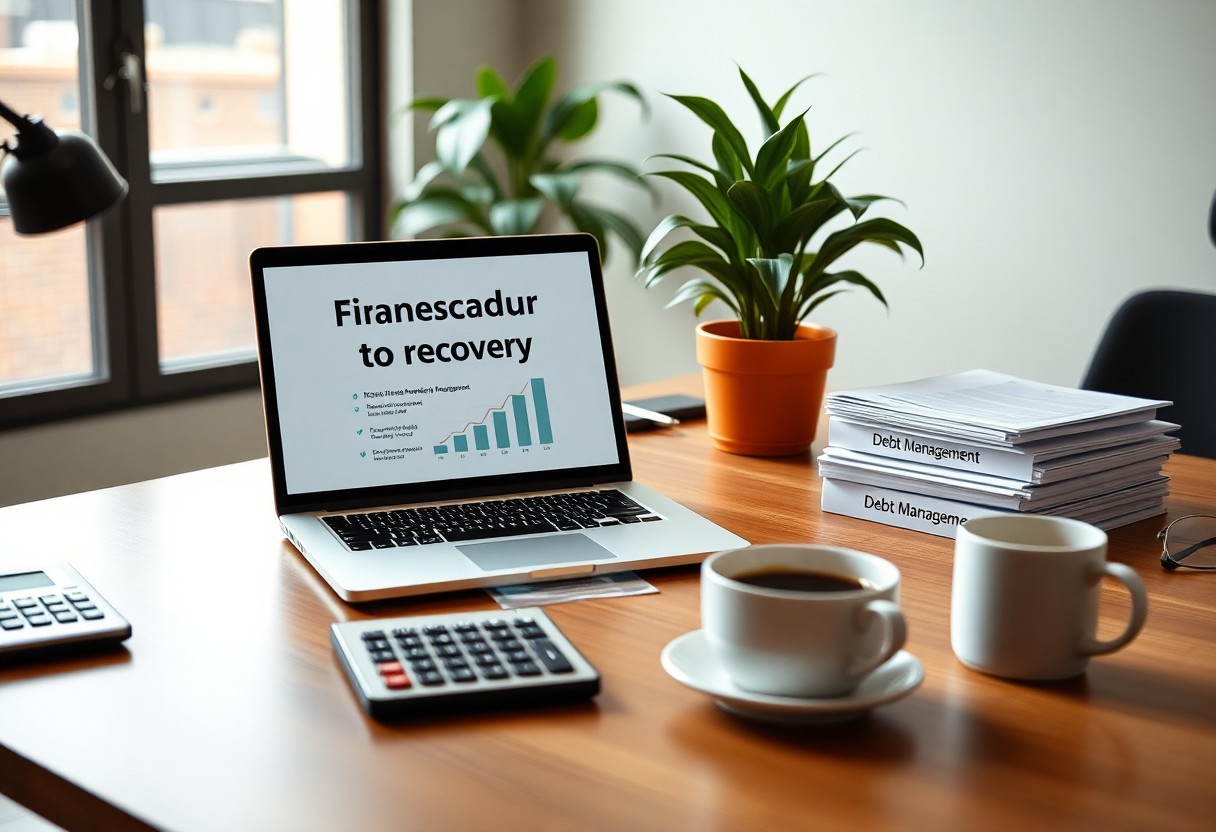
Managing Debt Effectively
Types of Debt and Their Impacts
Understanding the different types of debt is imperative in managing your financial recovery. Each type carries unique implications for your budget and psychological wellbeing. Consider the following:
- Secured Debt: Tied to an asset, like a home or car.
- Unsecured Debt: No collateral, such as credit cards or personal loans.
- Revolving Debt: Credit limit can be reused, ideal for ongoing expenses.
- Installment Debt: Fixed payments over time, like student loans.
- Medical Debt: Often unexpected and can drastically affect your finances.
The overall impact of your debt type can shape your repayment strategy and financial behavior.
| Type of Debt | Impact on Finances |
| Secured | Risk of losing the asset if defaulted. |
| Unsecured | Higher interest rates can accrue rapidly. |
| Revolving | Can lead to continuous debt cycle if not managed. |
| Installment | Predictable payments aid in budgeting. |
| Medical | Can impact credit scores significantly. |
Debt Repayment Strategies
Implementing effective debt repayment strategies helps you regain financial control. The snowball method focuses on paying off smaller debts first, providing quick wins that motivate you. Alternatively, the avalanche method targets debts with the highest interest rates, reducing overall costs in the long run. You could also explore debt consolidation options, which simplify payments and may lower interest rates.
Choosing a repayment strategy depends on your financial situation and personal preferences. If you’re motivated by quick victories, the snowball method might work best. For a more mathematically sound approach to minimize interest, consider the avalanche method. Whichever strategy you choose, the key is consistency in payments and staying informed about your progress. Tracking your repayments often fosters a sense of accountability and optimism as you work toward financial recovery.
Building an Emergency Fund
Why an Emergency Fund is Essential
An emergency fund acts as a financial safety net, providing you with peace of mind during unexpected situations like job loss or medical emergencies. Studies suggest that maintaining three to six months’ worth of living expenses in savings can significantly reduce financial stress. With this fund, you avoid accumulating debt when life throws a curveball, helping you stay on track toward your recovery goals.
How to Start Saving
Starting your emergency fund doesn’t have to be overwhelming. Begin by setting a realistic monthly savings goal, even if it’s just a small amount. You can prioritize this goal by treating it like a monthly bill; automate transfers to a dedicated savings account to enhance consistency. Focus on cutting non-crucial expenses temporarily to boost your savings faster.
Consider opening a high-yield savings account to earn interest on your funds while keeping them accessible. Start with a benchmark, such as setting aside $50 or $100 each payday. Look for opportunities to save through side gigs or selling items you no longer need. Track your progress regularly, and celebrate milestones to stay motivated. Consistency and small, incremental changes can lead to a robust emergency fund over time.

Increasing Your Income
Boosting your income is a key strategy in your financial recovery journey. By identifying opportunities to earn more, you not only enhance your financial stability but also create additional options for spending, saving, and investing wisely. From taking on extra work to investing in your skills, each step you take can lead to significant improvements in your financial situation.
Exploring Side Hustles
Side hustles offer flexible ways to generate income beyond your primary job. Whether you drive for a rideshare service, sell handmade goods online, or provide freelance services in your field of expertise, the options are plentiful. Many individuals have turned hobbies into lucrative side gigs, allowing them to earn extra cash and diversify their income streams effortlessly.
Leveraging Skills for Financial Gain
Identifying and monetizing your skills can significantly enhance your income. Consider areas where you excel—such as graphic design, writing, or coding—and explore platforms like Upwork, Fiverr, or Etsy to market your services. You might even find teaching or tutoring opportunities in your area of expertise. By effectively showcasing your skills, you can attract clients and projects that align with your interests while boosting your earnings.
As you refine your approach to leveraging your skills, focus on building a strong online presence and portfolio. Tailor your pitch to potential clients by highlighting successful past projects and testimonials. Networking through social media platforms or industry events can also open doors to new opportunities and higher-paying gigs. For instance, many freelance writers earn between $50 to $150 per hour, depending on their niche and experience, demonstrating the potential for significant income increases when you leverage your skill set effectively. Consistency and promotion are imperative keys in turning your skills into a reliable source of income.
Rebuilding Credit
Understanding Credit Scores
Your credit score significantly influences your financial future, affecting everything from loan approvals to interest rates. It typically ranges from 300 to 850, with scores above 700 considered good. Factors like payment history, credit utilization, and the length of your credit history all play a role in determining your score. By knowing how these elements interact, you can take practical steps towards improving your creditworthiness.
Steps to Improve Your Credit
To enhance your credit, start by obtaining your credit report from all three major bureaus. Review it for errors and dispute any inaccuracies. Prioritize paying bills on time, as payment history makes up 35% of your score. Reducing high credit card balances will lower your credit utilization ratio, ideally below 30%. Lastly, avoid opening new credit accounts unnecessarily, as each inquiry can slightly ding your score.
For instance, if you currently have a balance of $5,000 on a credit card with a $10,000 limit, paying it down to $3,000 would reduce your utilization from 50% to 30%, potentially improving your score significantly. Setting up automatic payments or reminders can help ensure timely bill payments. Additionally, consider becoming an authorized user on a trusted person’s credit card, which may boost your credit profile without the need for new credit inquiries.
Conclusion
So, as you navigate your journey towards financial recovery, embrace the principles outlined in ‘The No-Shame Guide to Financial Recovery’. Understanding and addressing the emotional aspects of your finances allows you to break free from the constraints of guilt and shame. Take proactive steps today to reshape your financial future. For further insights, explore Shame, Silence, and Debt: How Financial Guilt Keeps You … to support your journey.


